
Exploring the Wonders of Buoyant Waters: A Comparison of the Dead Sea and Little Manitou Lake
Introduction
When it comes to unique natural wonders, few can rival the mesmerizing properties of buoyant waters. These bodies of water, such as the Dead Sea and Little Manitou Lake in Canada, offer an otherworldly experience where swimmers effortlessly float on the surface. In this blog post, we will explore the similarities and differences between these two fascinating destinations, delving into their geological origins, therapeutic properties, and overall appeal.
Geological Origins
The Dead Sea, located between Jordan and Israel, is renowned for being the lowest point on Earth. It is a saltwater lake that has an incredibly high salt concentration, making it almost impossible for swimmers to sink. The unique geological formation of the Dead Sea can be attributed to its location in the Jordan Rift Valley, where tectonic activity has created a depression over millions of years.
On the other side of the globe, in Saskatchewan, Canada, lies Little Manitou Lake. Unlike the Dead Sea, this is a freshwater lake with high mineral content, particularly rich in magnesium and potassium salts. Little Manitou Lake is a remnant of an ancient sea that once covered the area during the last ice age. As the glaciers receded, they left behind this mineral-rich lake, creating a natural wonder that has been attracting visitors for centuries.
Therapeutic Properties
Both the Dead Sea and Little Manitou Lake are known for their therapeutic properties, offering a range of health benefits to those who immerse themselves in their buoyant waters.
The high salt concentration in the Dead Sea is believed to have a positive impact on various skin conditions, such as psoriasis and eczema. The minerals found in the water, including magnesium, calcium, and potassium, are also thought to improve blood circulation and reduce inflammation. Many visitors to the Dead Sea indulge in mud treatments, covering their bodies in the mineral-rich mud found along the shoreline.
Similarly, Little Manitou Lake is renowned for its healing properties. The high concentration of minerals, particularly magnesium, is said to have a relaxing effect on the muscles and joints. The lake has become a popular destination for those seeking relief from conditions such as arthritis and fibromyalgia. Visitors can also enjoy the rejuvenating experience of floating effortlessly on the lake’s surface, providing a sense of weightlessness and tranquility.
Overall Appeal
While both the Dead Sea and Little Manitou Lake offer the unique experience of buoyant waters, they differ in terms of accessibility and overall appeal.
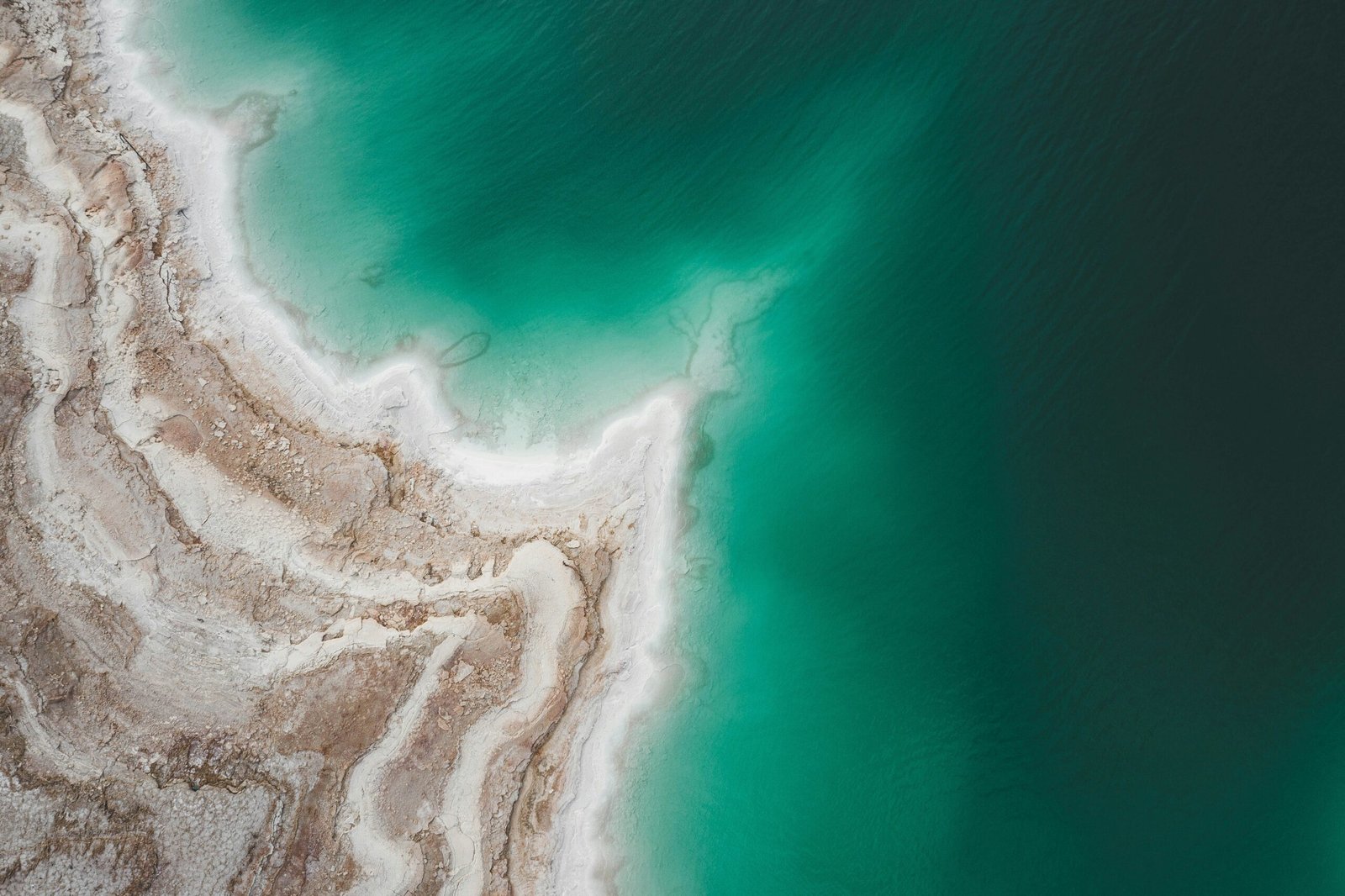
The Dead Sea has long been a popular tourist destination, attracting visitors from around the world. Its proximity to major cities like Jerusalem and Amman makes it easily accessible, and the surrounding area offers a range of accommodations and amenities. The Dead Sea’s iconic salt formations and the opportunity to float effortlessly on its surface make it a must-visit destination for many travelers.
Little Manitou Lake, although lesser-known on a global scale, holds a special place in the hearts of Canadians. The lake is located in a serene and picturesque setting, surrounded by rolling prairies and breathtaking sunsets. The small town of Manitou Beach, situated on the lake’s shores, offers a charming and laid-back atmosphere, providing a perfect retreat for those seeking tranquility and natural beauty.
Whether you choose to visit the Dead Sea or Little Manitou Lake, one thing is certain – the experience of floating in buoyant waters is a truly unique and unforgettable one. These natural wonders not only offer a chance to connect with nature but also provide therapeutic benefits that can enhance your well-being. So, dive in and explore the wonders of buoyant waters!

Leave a Comment